

Why Choose Musical Toy Molding for Next-Generation Interactive Play?
2025-12-03
Musical toy molding refers to the specialized manufacturing process used to produce plastic components and integrated acoustic structures for sound-emitting children’s toys.
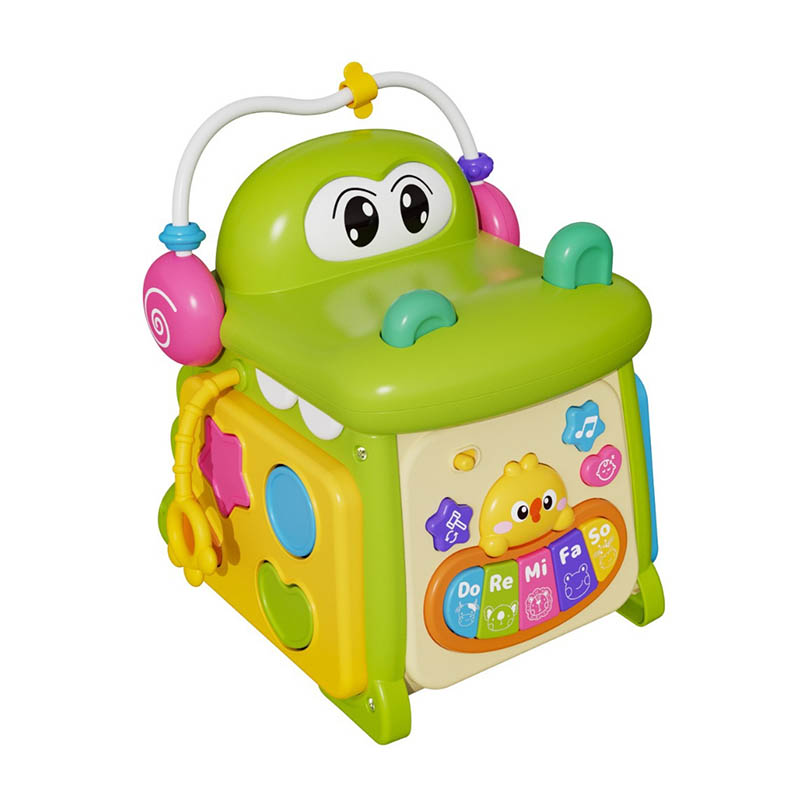
Musical toy molding is driven by precise material selection, mold engineering, cavity design, and integrated assembly. Each step affects resonance, sound clarity, impact resistance, and long-term stability. High-quality molds ensure consistent dimensions, enabling small speakers, vibration elements, or sound chips to fit accurately without rattling or detaching.
Below is an overview of key product specifications that define professional-grade musical toy molding:
Product Parameter Overview
| Parameter Category | Specification Details |
|---|---|
| Material Options | ABS, PP, PE, PC+ABS, TPE, Food-grade plastics |
| Molding Technique | Injection molding, 2K molding, insert molding, over-molding |
| Tolerance Accuracy | ±0.02–0.05 mm depending on part size |
| Applicable Toy Types | Musical instruments, sound books, baby rattles, interactive learning toys, role-play sound toys |
| Acoustic Design Features | Resonant cavities, sound-guide channels, vibration chambers, sealed speaker housings |
| Surface Finish | Matte, gloss, soft-touch, texture, anti-scratch, spray-paint compatible |
| Safety Compliance | EN71, ASTM F963, CPSIA, RoHS |
| Production Volume | Short runs to mass production (10,000–1,000,000+ pieces) |
| Customization Availability | Custom molds, custom colors, unique sound cavity geometry |
| Assembly Integration | Ultrasonic welding, snap-fit systems, screw-fit housings |
How does the molding process ensure long-term durability?
Durability in musical toys must accommodate both acoustic accuracy and child-safe ruggedness. Musical toy molding uses high-impact plastics and tight assembly tolerances to ensure components withstand drops, pulling, moisture exposure, and repetitive button pressing. Multi-point reinforcement ribs are commonly added inside the toy body to prevent deformation, ensuring sound chips remain securely positioned. The molding process also ensures surface finishes resist scratches, fading, or chemical exposure from baby saliva or cleaning agents.
How does cavity design impact sound performance?
Sound performance relies heavily on the internal cavity shape created during molding. The cavity functions like a miniature resonator. Smooth walls, proportional depth, and controlled airflow help amplify tones clearly, whether the toy produces mechanical or electronic sounds. By optimizing cavity sizes, manufacturers can enhance volume levels without increasing chip power consumption.
How Does Musical Toy Molding Improve User Interaction and Educational Value?
The molding process directly influences how children interact with musical toys. Today’s market expects toys to be more intuitive, resilient, and engaging. Musical toy molding enables sophisticated designs that integrate multiple functions seamlessly.
How does molding support multi-sensory learning?
The integration of sound, color, texture, and ergonomic shapes is made possible through multi-shot molding and insert molding. This allows musical toys to incorporate soft-touch grips, colorful buttons, and sensory textures without separate assembly steps. As a result, products promote auditory, tactile, and visual learning simultaneously—crucial for early childhood development.
How does molding increase safety for younger children?
Musical toy molding ensures safety through smooth edges, sealed speaker compartments, screw-free housing (if designed with snap-fit systems), and the use of certified non-toxic plastics. The precision of molding prevents the formation of gaps where small parts could loosen or detach. This is especially important for babies and toddlers, who explore toys through mouthing and impact play.
How Is Musical Toy Molding Evolving to Meet Future Market Trends?
Global demand is shifting toward smarter, more sustainable, and more interactive musical toys. Manufacturers are adapting molding technology to address upcoming industry directions.
How does sustainability influence musical toy molding?
New requirements encourage the use of recyclable plastics, bio-based polymers, and energy-efficient processes. Molds are being designed to reduce waste material during injection cycles while maintaining high product strength. When combining electronics with molded parts, manufacturers also aim to optimize housing structures to allow easier disassembly and recycling.
How does technological advancement reshape musical toy designs?
Future musical toys are expected to include:
-
Variable sound effects
-
Haptic vibration responses
-
Pressure-sensitive buttons
-
Wireless connectivity
-
Interactive LED-sound synchronization
Advanced molding allows toy designs to incorporate micro-speaker chambers, translucent plastic windows for light diffusion, and shock-absorbent areas to protect delicate electronic modules. These innovations help manufacturers stay competitive in a market where consumers expect more dynamic and personalized play experiences.
How Can Buyers Evaluate the Quality of Musical Toy Molding?
To identify high-quality musical toy molding, manufacturers and buyers should evaluate the following aspects:
Material Consistency
Even coloration, smooth textures, and the absence of weld lines or sink marks indicate strong molding performance.
Structural Integrity
Parts should fit seamlessly, with no rattling, gaps, or uneven joints. When twisted or pressed firmly, the body must not creak or deform.
Acoustic Precision
Consistent sound projection, free from distortion, is an indicator of well-designed internal cavities.
Functional Reliability
Buttons and switches should feel stable, responsive, and durable under repeated use.
Regulatory Compliance
Products should meet global toy safety standards to ensure suitability for international markets.
Common Questions About Musical Toy Molding
Q1: How does musical toy molding prevent sound distortion in small toys?
A1: Distortion is minimized through optimized cavity design, controlled wall thickness, and stable speaker housing geometry. By ensuring airflow is balanced and resonance points are strategically placed, molded components amplify electronic sounds smoothly without vibration interference.
Q2: How does molding ensure electronic components remain securely installed?
A2: Precision fit structures such as snap-fits, internal brackets, and reinforced speaker mounts are molded directly into the plastic shell. This eliminates the need for excessive adhesives, reduces assembly errors, and ensures electronics remain stable even when toys are dropped or shaken.
How Can Manufacturers Benefit from Choosing a Reliable Musical Toy Molding Partner?
Musical toy molding provides a foundation for strong, safe, and acoustically optimized children’s products. By combining advanced material selection, precision cavity engineering, ergonomic design capabilities, and compliance with international safety standards, it offers a reliable path toward producing high-quality musical toys that appeal to global markets. As the industry moves toward environmentally responsible, multi-functional, and interactive toy designs, selecting an experienced manufacturer becomes essential for delivering consistent performance and innovation.
A trusted supplier such as Ningbo (P&M) Plastic Metal Products Co., Ltd. offers expertise in custom molds, injection molding for complex acoustic structures, and large-scale production for musical toys of various types. To explore tailored solutions, design support, or production capabilities, contact us for professional assistance and comprehensive manufacturing options.