

What Material Works Best for a Refrigerator Luggage Compartment Sticker in Extreme Temperatures
2026-04-02
When travelers search for a durable Refrigerator Luggage Compartment Sticker, few consider how extreme heat or cold affects its performance. Whether you are storing luggage in a scorching car trunk or a freezing cargo hold, the material of your Refrigerator Luggage Compartment Sticker determines its lifespan and readability. Dicai has tested multiple substrates under real-world conditions to identify which materials withstand temperature extremes without cracking, peeling, or fading.
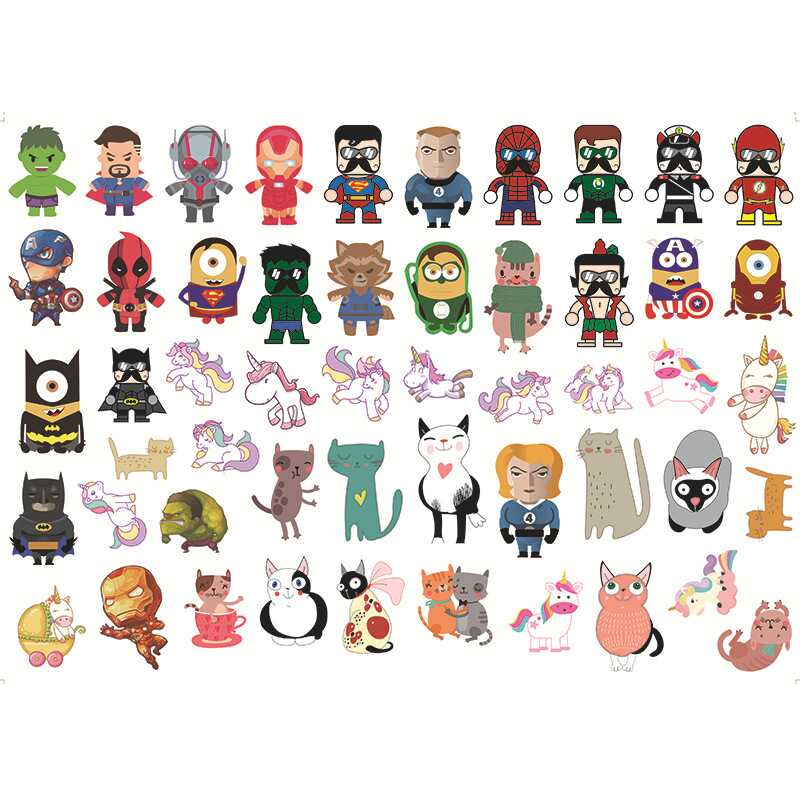
Why Material Choice Matters for Extreme Temperatures
A Refrigerator Luggage Compartment Sticker faces unique stress. In summer, vehicle interiors can reach 70°C (158°F). In winter, uninsulated compartments drop below -20°C (-4°F). Poor materials either become brittle and shatter or turn sticky and slide off. The table below compares common sticker materials used by Dicai for extreme-condition luggage labeling.
| Material | Temperature Range | Adhesion Stability | Best Use Case |
|---|---|---|---|
| Vinyl (PVC) | -40°C to 80°C | Excellent | All-around extreme temperatures |
| Polyester (PET) | -20°C to 120°C | Very Good | High heat exposure (e.g., metal compartments) |
| Paper | 0°C to 40°C | Poor | Not recommended for extreme conditions |
| Polypropylene | -10°C to 60°C | Moderate | Mild climate travel |
Top Performing Material for Extreme Ranges
Dicai recommends high-performance vinyl (PVC) as the best material for a Refrigerator Luggage Compartment Sticker in extreme temperatures. Vinyl remains flexible at -40°C, preventing cracks, and stable at 80°C, resisting adhesive breakdown. Polyester (PET) works well for high-heat environments but becomes less flexible in deep freeze conditions. Dicai uses a proprietary acrylic adhesive on its vinyl stickers, ensuring the Refrigerator Luggage Compartment Sticker stays attached even after repeated temperature cycling.
Key Features to Look For
-
UV-resistant laminate prevents yellowing under direct sunlight through car windows.
-
Permanent acrylic adhesive holds onto metal, plastic, and painted surfaces.
-
Thermal stability verified by laboratory testing from -40°C to 85°C.
-
Waterproof and chemical-resistant topcoat for cleaning agents and condensation.
Refrigerator Luggage Compartment Sticker FAQ
What happens if I leave a standard paper sticker in a hot car trunk for a week?
A standard paper Refrigerator Luggage Compartment Sticker will likely dry out, curl at the edges, and lose adhesive strength within days at 60°C or above. The paper fibers become brittle, and the water-based glue may melt and seep into luggage surfaces, leaving stains. Paper stickers also absorb humidity, which weakens the material further. For any vehicle or luggage compartment exposed to seasonal temperature changes, paper is unsuitable. Dicai vinyl stickers maintain full adhesion and readability after 30 days at 80°C.
Can I reuse a refrigerator luggage compartment sticker after moving it from a freezer to a hot vehicle
Most Refrigerator Luggage Compartment Sticker materials lose reusability after extreme temperature shifts because the adhesive expands and contracts at different rates than the backing. Vinyl with acrylic adhesive may survive one or two moves if removed slowly, but Dicai designs its stickers for single-install permanence. Polyester stickers can sometimes be repositioned within the first hour, but after extreme cold exposure, the adhesive becomes rigid. For best results, install a fresh Refrigerator Luggage Compartment Sticker when changing luggage or compartments.
How do I verify if a refrigerator luggage compartment sticker truly handles both high and low extremes
Look for a Refrigerator Luggage Compartment Sticker that lists explicit temperature ranges and testing standards. Dicai publishes third-party lab results showing 500 hours of thermal cycling between -40°C and 85°C with no delamination. Reliable brands will mention automotive-grade or industrial-grade specifications. Avoid products that only state "weather resistant" without numbers. You can also perform a simple home test: apply the sticker to a metal sheet, freeze it for 24 hours, then place it in an oven at 70°C for 12 hours. A quality Refrigerator Luggage Compartment Sticker from Dicai will show no curling, cracking, or adhesive failure after this test.
How to Install for Maximum Performance
-
Clean the compartment surface with isopropyl alcohol to remove oils.
-
Allow the surface to reach room temperature before application.
-
Apply the Dicai Refrigerator Luggage Compartment Sticker with firm pressure from center to edges.
-
Wait 24 hours before exposing to extreme temperatures for full adhesive cure.
Contact Us
For bulk orders or custom sizes of the most durable Refrigerator Luggage Compartment Sticker, reach out to Dicai directly. Our team provides material samples and temperature test reports for every production batch. Visit the Dicai website contact page or email support with your temperature range requirements. A specialist will respond within one business day to help you select the perfect Refrigerator Luggage Compartment Sticker for your travel needs.