

What Makes a High-Quality Swim Ring Stand Out in Today’s Market?
2025-11-19
A swim ring is widely used for floating support, recreational water play, and early swimming assistance. It serves children and adults by providing buoyancy, helping stabilize the body in pools, lakes, or beaches. As demand for safer and more durable water-play accessories increases, consumers pay closer attention to material quality, structural strength, safety design, and long-term performance. Understanding what differentiates a premium swim ring helps guide better purchasing decisions and provides clarity on how modern products evolve to meet higher safety standards.
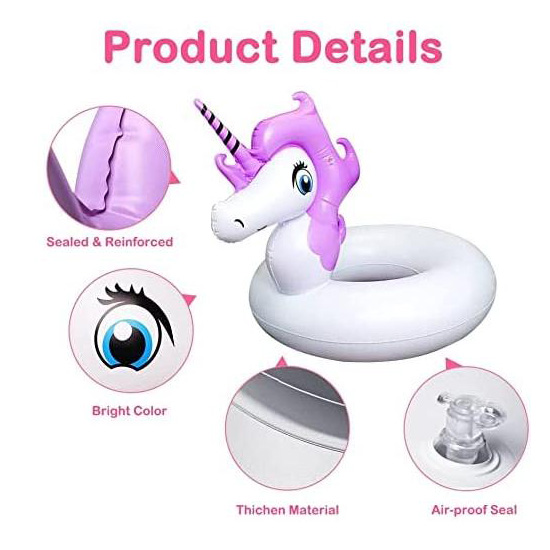
Why Do Swim Ring Materials, Structure, and Safety Features Play a Critical Role?
Swim rings must maintain buoyancy, withstand external pressure, resist punctures, and provide balanced support. The quality of materials, joining techniques, inflation valves, and ergonomic design determines overall performance. Consumers now expect more than basic flotation—they expect longevity, safety assurance, and comfort during extended water usage.
Below are typical product parameters that influence performance:
| Parameter | Description |
|---|---|
| Material | Eco-friendly PVC or TPU, thickened to 0.20–0.35 mm depending on size |
| Diameter Options | 45 cm, 60 cm, 70 cm, 90 cm, 120 cm (for toddlers to adults) |
| Load Capacity | 20–150 kg depending on size and material strength |
| Air Valve Type | Double-lock inflation valve or upgraded anti-leak valve |
| Handle Options | Reinforced dual handles for balance and safety |
| Structure | Single-chamber or multi-chamber inflation for extra security |
| Color & Printing | UV-resistant printing, water-fade resistant pigments |
| Certifications | EN71, CPSIA, ASTM standards (based on production requirements) |
Why Material Thickness Matters
Thicker materials significantly reduce air leakage and minimize puncture risks. High-quality PVC and TPU also improve elasticity, making the ring more comfortable and resistant to deformation in high temperatures.
Why Design Structure Influences Safety
Single-chamber designs are lighter, while multi-chamber designs maintain partial buoyancy even when one chamber is compromised. This structural redundancy enhances safety—especially helpful for children and inexperienced swimmers.
Why Comfort and Ergonomics Support a Better User Experience
Smooth seams, rounded edges, and skin-friendly materials prevent irritation. Proper inner-ring diameter reduces pressure on the waist, improving comfort during long water activities.
Why Product Certification Matters to Buyers
Compliance with safety standards ensures non-toxic materials, durability testing, and controlled production. Certifications increase consumer trust and demonstrate responsibility in manufacturing.
How Does a Swim Ring Function and How Is It Evolving for the Future?
Swim rings support buoyancy, stabilize the user, and allow free movement in water. Their primary function remains flotation, but modern manufacturing enhances them with added design features and expanded applications.
How Swim Rings Work in Practical Use
Buoyancy results from the displacement of water and the ring’s internal air pressure. A stable air chamber maintains shape and keeps the user afloat. Reinforced handles provide upper-body support and allow beginners to maintain balance. Some designs add leg openings or backrests for additional comfort and safety.
How Different Designs Serve Different Age Groups
-
Toddlers: Double-ring or seat-style rings with leg openings
-
Children: Medium rings (45–60 cm) with smooth edges and optional handles
-
Teenagers & Adults: Larger rings (70–120 cm) with high-load capacity
Different sizes ensure proper posture and buoyancy distribution, avoiding excessive strain or instability.
How Modern Swim Rings Improve Durability
Manufacturers now use advanced heat-sealing technology to create stronger seams. UV-resistant coatings prevent sun damage, while improved air valves prevent leakage during long use.
How Safety Technology Improves Protection
Multi-air-chamber systems, non-toxic materials, anti-leak inflation valves, and high-visibility colors increase overall safety. Transparent windows, additional handles, or outer safety belts are also popular in premium designs.
Future Trends in Swim Ring Development
-
Eco-friendly Materials: TPU and recyclable polymers are gaining popularity due to environmental concerns.
-
Multi-Functional Designs: Swim rings with cup holders, headrests, and reclining surfaces enhance leisure use.
-
Digital Integration: Though not widespread yet, future concepts may include temperature indicators or light-responsive patterns.
-
Higher Safety Standards: As consumer awareness increases, more buyers seek international certifications.
-
Customization Trend: Personal names, patterns, or brand-specific designs allow premium personalization.
The evolution of swim rings shows a move toward safer materials, stronger structures, and greater comfort. These improvements reflect modern preferences for both safety and leisure enhancement.
What Common Questions Do Buyers Have About Swim Rings? (Q&A Section)
Q1: How to select the right swim ring size for children or adults?
A: The appropriate size depends on body weight and intended use. Children typically need 45–60 cm rings, which support balanced buoyancy without restricting movement. Teenagers and adults often require 70–120 cm rings with higher load capacity, ensuring stability in deeper water or open swimming areas. Choosing the correct diameter ensures proper support and improves safety.
Q2: How to maintain a swim ring for longer use?
A: After each use, rinse with clean water to remove salt, chlorine, or sand. Dry fully before storage to avoid mold growth. Keep away from sharp objects and high heat during storage. Proper maintenance preserves elasticity, prevents cracking, and extends product life.
Q3: How to check whether a swim ring is safe before using it in water?
A: Inspect the surface for cracks, punctures, or seam damage. Test inflation stability by filling the ring and observing whether it maintains pressure for several hours. Ensure the air valve closes securely and examine any handles or structural reinforcements to verify stability. Choosing certified products with proper safety standards adds an extra layer of assurance.
How Will Swim Rings Continue to Improve and Where to Learn More?
Swim rings continue to evolve with better materials, stronger structures, and enhanced safety features. As water-leisure activities become more popular, consumers expect higher performance, eco-friendly materials, and ergonomic designs. High-quality swim rings combine durability, buoyancy, comfort, and safety to provide a reliable water experience for all age groups.
Yongxin focuses on producing durable, safe, and well-designed swim rings that meet international expectations for quality and performance. For more information, product details, or customized orders, contact us to receive professional support and tailored solutions for your market needs.