

How EVA Pet Toys Improve Pet Safety and Playtime Experience
2026-03-11
Article Summary
Pet owners are increasingly concerned about toy safety, durability, and hygiene. EVA Pet Toys have become a preferred choice because of their lightweight structure, non-toxic composition, and flexible design. This article explains how EVA pet toys work, what benefits they offer, and how to select the right toy for different pets. It also introduces the material advantages of EVA and practical maintenance tips to help pet owners extend toy lifespan and maintain hygiene.
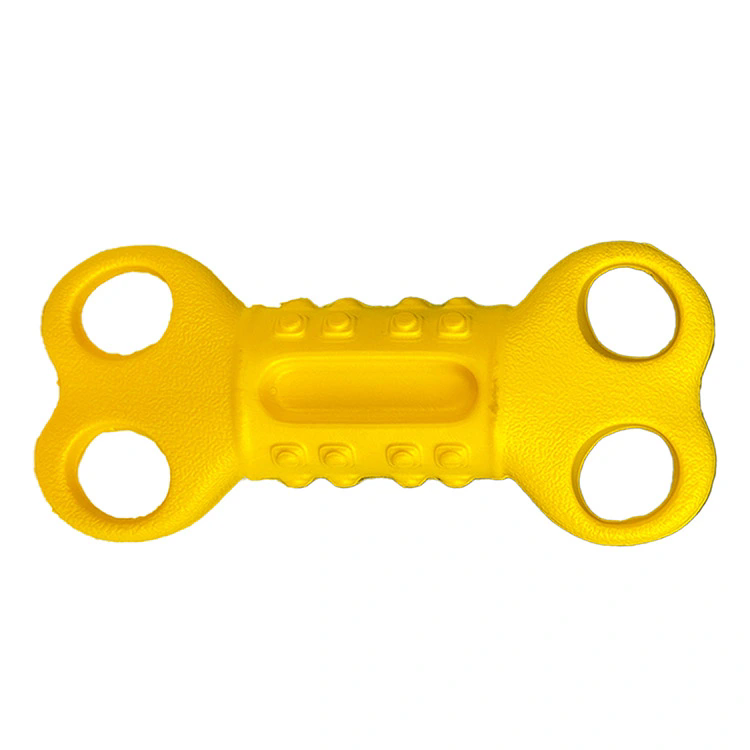
Table of Contents
- 1. Introduction to EVA Pet Toys
- 2. What Is EVA Material
- 3. How EVA Pet Toys Work for Pets
- 4. Key Advantages of EVA Pet Toys
- 5. Typical Applications and Toy Types
- 6. How to Choose the Right EVA Pet Toy
- 7. Product Specification Overview
- 8. Maintenance and Cleaning Tips
- 9. Frequently Asked Questions
- 10. Conclusion
Article Outline
- Introduction to EVA pet toys
- Material composition and safety characteristics
- Functional benefits for pets
- Main product advantages
- Common product types
- Buying guide for pet owners
- Technical specifications
- Cleaning and maintenance advice
- FAQ section
- Conclusion with brand introduction
1. Introduction to EVA Pet Toys
Pet toys are essential tools for maintaining a pet’s physical activity, mental stimulation, and emotional well-being. However, many pet owners worry about issues such as toxic materials, poor durability, or toys that break easily during chewing. These concerns have led to increased demand for safer materials in the pet product industry.
EVA Pet Toys have gained popularity because they offer a balance between softness, durability, and safety. EVA stands for ethylene-vinyl acetate, a flexible polymer widely used in consumer products such as footwear, protective equipment, and toys. The material is lightweight, shock-absorbing, and resistant to water, making it ideal for interactive pet toys. :contentReference[oaicite:0]{index=0}
With modern manufacturing technology, EVA toys can be molded into various shapes, including balls, frisbees, chew sticks, and floating toys. These designs encourage exercise, reduce boredom, and strengthen the bond between pets and their owners.
2. What Is EVA Material
Ethylene-vinyl acetate is a copolymer made by combining ethylene and vinyl acetate. The resulting material combines the flexibility of rubber with the processing advantages of plastic.
Several physical characteristics make EVA especially suitable for pet toys:
- Flexible and elastic structure
- Lightweight density
- Excellent impact absorption
- Waterproof and weather resistant
- Easy molding and customization
In addition, EVA materials used in pet products are generally formulated to be free of harmful substances such as heavy metals and phthalates. This non-toxic nature helps protect pets when they chew or interact with the toy. :contentReference[oaicite:1]{index=1}
3. How EVA Pet Toys Work for Pets
EVA Pet Toys are designed to satisfy several natural behaviors in pets. Dogs and other animals instinctively chew, chase, and carry objects. EVA toys provide a safe outlet for these behaviors.
The working principle is relatively simple: the elastic structure absorbs biting pressure and reduces stress on teeth and gums. At the same time, the lightweight design allows pets to carry and throw the toy easily.
These toys typically serve three main functions:
- Chewing stimulation: satisfies natural chewing instincts
- Interactive play: supports fetch, tug, and training games
- Exercise promotion: encourages physical movement
Because EVA materials maintain flexibility even after repeated compression, toys retain their shape and functionality for extended periods. :contentReference[oaicite:2]{index=2}
4. Key Advantages of EVA Pet Toys
The popularity of EVA pet toys is largely driven by their performance advantages compared with traditional plastic or rubber toys.
Major Benefits
- Non-toxic material – Safe for pets and resistant to chemical release during chewing.
- Soft yet durable – Protects teeth while resisting tearing.
- Lightweight structure – Easy for pets to carry and play with.
- Waterproof surface – Suitable for outdoor and water activities.
- Easy cleaning – Can be washed with mild soap and water.
- Weather resistance – Maintains performance in sun, rain, or cold conditions.
Another advantage is the smooth surface structure of EVA foam, which helps prevent bacteria buildup and simplifies routine cleaning. :contentReference[oaicite:3]{index=3}
5. Typical Applications and Toy Types
Manufacturers can produce EVA pet toys in many shapes and functional designs. Each type serves a specific play scenario.
Common EVA Pet Toy Types
- Fetch balls
- Floating sticks
- Frisbee discs
- Chew bones
- Training toys
- Interactive puzzle toys
Floating EVA toys are particularly popular for dogs that enjoy water activities because the foam structure allows the toy to remain buoyant and visible on the water surface. :contentReference[oaicite:4]{index=4}
6. How to Choose the Right EVA Pet Toy
Choosing the correct toy depends on several factors related to the pet’s behavior and physical characteristics.
Important Selection Criteria
- Pet size and jaw strength
- Toy density and thickness
- Surface texture
- Shape and ergonomic design
- Ease of cleaning
For example, puppies or small dogs usually prefer softer EVA toys with moderate density. Larger dogs may require thicker structures designed to resist stronger chewing forces.
High-quality manufacturers also focus on smooth edges, balanced hardness, and durable molding techniques to improve product safety and longevity.
7. Product Specification Overview
| Parameter | Description |
|---|---|
| Material | Ethylene-Vinyl Acetate (EVA) |
| Density | Customizable according to toy function |
| Surface | Smooth or textured |
| Color Options | Multiple bright colors available |
| Production Process | Compression molding or injection molding |
| Water Resistance | Yes |
| Application | Pet training, chewing, fetch games |
8. Maintenance and Cleaning Tips
Proper maintenance helps extend the lifespan of EVA pet toys while maintaining hygiene.
Recommended Care Practices
- Wash toys regularly with warm water and mild detergent
- Inspect toys for signs of wear or damage
- Store toys in a dry location after cleaning
- Rotate toys to maintain pet interest
Because EVA materials resist water absorption and bacterial growth, they are easier to maintain than many other toy materials.
9. Frequently Asked Questions
Q1: Are EVA Pet Toys safe for dogs?
Yes. High-quality EVA toys are made from non-toxic materials and typically do not contain harmful chemicals such as BPA or heavy metals. :contentReference[oaicite:5]{index=5}
Q2: Can EVA toys be used in water?
Yes. The closed-cell foam structure makes EVA waterproof and buoyant, which allows toys to float and remain functional during water play.
Q3: Are EVA toys suitable for aggressive chewers?
EVA toys are durable but softer than some rubber materials. For aggressive chewers, thicker or reinforced models are recommended.
Q4: How often should pet toys be replaced?
Replacement depends on usage frequency and wear. Pet owners should inspect toys regularly and replace them if cracks or fragments appear.
10. Conclusion
EVA Pet Toys provide a safe, lightweight, and durable solution for pet entertainment and training. Their flexible structure protects teeth while supporting interactive activities such as fetching and chewing. With proper design and manufacturing, EVA toys deliver long-lasting performance while remaining easy to clean and maintain.
As a professional manufacturer in the EVA materials industry, Jinjiang Zhuoling New Materials Technology Co.,Ltd focuses on developing high-quality EVA pet toys designed for safety, durability, and functionality. Through advanced molding technology and strict material selection, the company provides reliable products for global pet product brands and distributors.
If you are looking for durable and customizable EVA pet toys for your business or brand, contact us today to explore professional manufacturing solutions and discover how our products can enhance your pet product lineup.