

OEM Shock Absorber Piston: Key Insights for Optimal Suspension Performance
2026-10-29
Most suspension upgrades fail before they even start—because the small parts get ignored. The OEM shock absorber piston is one of those parts, yet it dictates how well your entire suspension responds to the road. If you're serious about squeezing every bit of performance from your setup, the devil is in the piston. XIAYI knows this better than most, and we're pulling back the curtain on what actually matters.
What the Piston Actually Does Inside a Shock Absorber
Inside a shock absorber, the piston does far more than just slide up and down. It's a precision-machined valve body that divides the pressure tube into two chambers. When the wheel hits a bump, the piston rod pushes the piston downward through the hydraulic fluid. Instead of passing freely, the fluid is forced through tiny orifices and deflected discs in the piston. This resistance converts kinetic energy into heat, which is why a shock gets warm after a rough stretch of road.
The piston's behavior isn't symmetric. On compression, the piston moves relatively easily to let the suspension absorb the impact, but on rebound, a different set of shims and ports restricts flow more aggressively. That asymmetry is tuned for each vehicle: too little rebound damping and the body floats; too much and the wheels can't recover quickly enough for the next bump. The piston is essentially a hydraulic logic gate, metering fluid flow based on velocity and direction.
Wear and temperature also change how the piston performs. As the oil thins with heat, the piston's valving must still provide consistent resistance. High-quality shocks use coated pistons and precisely stacked shims to maintain predictable flow even after millions of cycles. If the seal between the piston and the tube starts to leak, though, fluid bypasses the valving entirely, and the ride turns bouncy because the damping force disappears.
Why OEM Pistons Tend to Outperform Generic Replacements
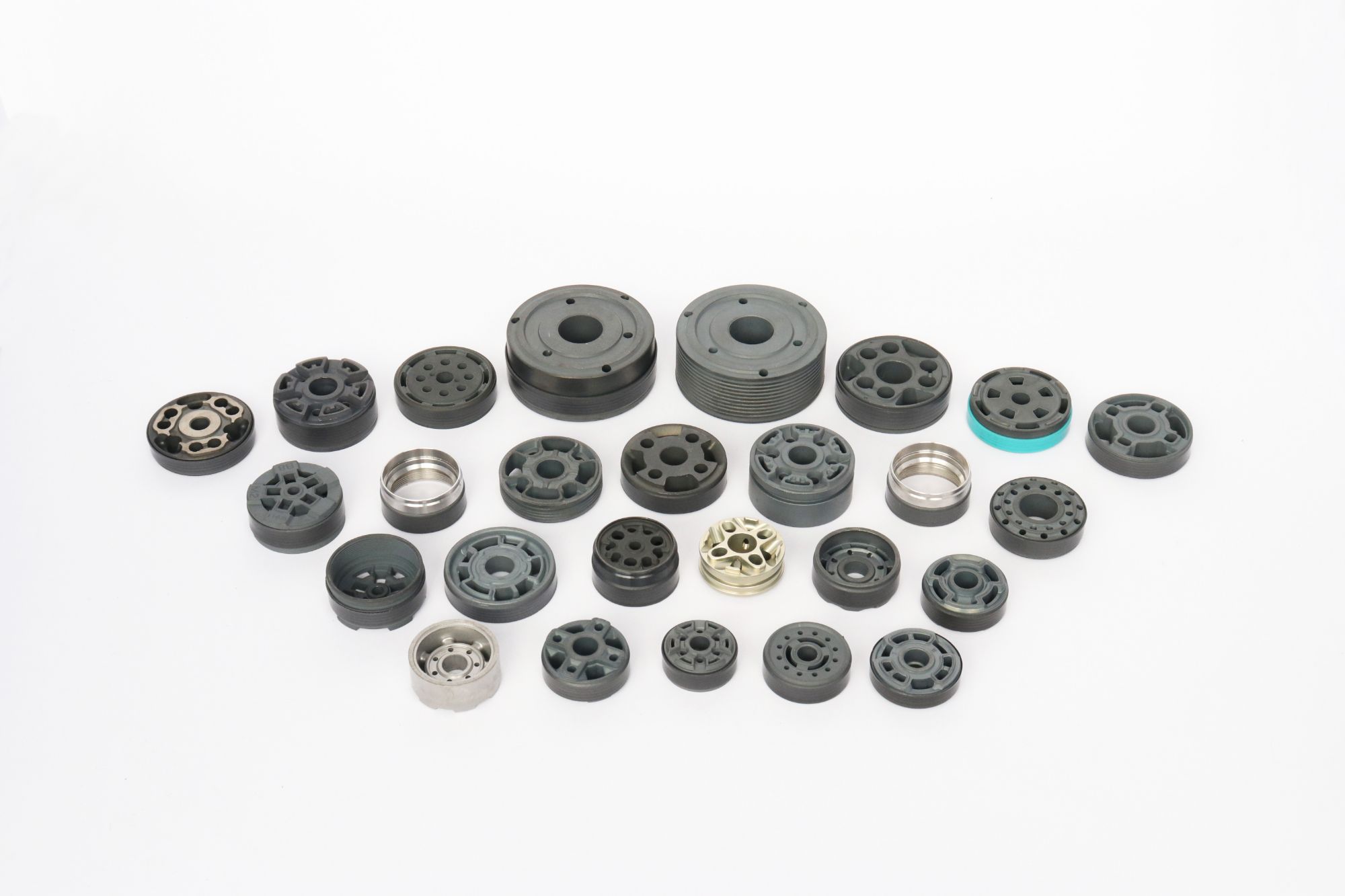
When comparing OEM pistons to generic replacements, the differences go far beyond the label on the box. OEM pistons are engineered to match the exact thermal expansion rates, skirt profiles, and ring land dimensions of the original engine design. This precision means the piston maintains proper clearance throughout the entire temperature range, reducing the risk of piston slap, ring flutter, or premature bore wear. Generic pistons, on the other hand, often use a one-size-fits-all approach, which can lead to inconsistent clearances and higher friction over time.
Another critical advantage lies in material consistency and coating quality. OEM manufacturers use alloy blends and surface treatments that have been validated through millions of miles of real-world testing. These coatings, such as anti-friction skirt coatings or anodized ring lands, contribute to cooler running temperatures and better oil retention. Generic replacements frequently skip or reduce these treatments to cut costs, which can shorten the piston's lifespan and lead to increased oil consumption.
Finally, OEM pistons are produced on tightly controlled machining lines, with tolerances often measured in microns. Each piston is matched to the cylinder bore during engine assembly, ensuring uniform compression and balance across all cylinders. Generic alternatives may come from less rigorous production environments, where slight variations in pin bore alignment or weight can cause vibration and uneven wear. For a component that lives at the heart of the combustion process, these small differences quickly add up to noticeable performance and durability gaps.
The Hidden Link Between Piston Design and Ride Comfort
Most riders never think about the piston inside their suspension, yet its shape and porting quietly dictate how the bike feels over broken pavement. A piston with sharp-edged ports and minimal shim contact area tends to create abrupt damping transitions, translating every ripple into the chassis. By contrast, a carefully contoured piston with generous bleed paths allows the oil to move with less drama, smoothing out the harshness that makes long rides fatiguing.
The relationship between piston band fit and comfort is equally subtle but telling. Too tight a band and the fork or shock builds up stiction, making the initial movement wooden and unresponsive. Too loose, and you get cavitation or inconsistent damping, which feels like a vague front end. The best setups use a band that scrapes just enough oil to maintain film strength while letting the piston glide—this is where plushness begins, long before you touch a clicker.
Port timing also matters more than raw flow numbers. A piston that opens its compression ports very late in the stroke can create a spike in pressure right when the wheel hits a sharp edge, sending a jolt through the bars. Reversing that timing—letting oil start moving early and progressively—keeps the initial hit soft without losing bottoming resistance. It is not about making the suspension softer overall, but about reshaping the pressure curve so comfort comes from control, not from wallow.
How Micro-Polishing Changes Damping Behavior
Micro-polishing removes the tiny peaks and valleys that dominate as-machined surfaces. When two parts meet, those asperities flex and slide against each other under cyclic load, converting vibrational energy into heat through friction. A polished finish reduces both the number and height of these contact points, so the amount of micro-slip and frictional dissipation drops sharply. The result is often a measurable decrease in structural damping, especially in bolted or press-fit joints where interface friction is a primary loss mechanism.
But the shift is not always linear. With a smoother surface, the real contact area grows, which can raise stiffness at the interface. Higher stiffness tends to reduce relative motion even further, but it may also push the contact into a more elastic regime where energy is stored and released rather than dissipated. In some assemblies, this means the damping ratio falls as roughness decreases, but only up to a point—beyond a certain finish level, adhesive forces or trapped lubricant films begin to contribute their own damping effects.
The exact outcome depends on load, lubrication, and vibration amplitude. At very small amplitudes, a polished surface may actually show slightly higher damping than a rough one if a thin fluid layer is squeezed and sheared between the faces. Under dry conditions and moderate loads, however, the trend usually reverses: less roughness means less frictional loss. Designers often trade off surface finish against damping requirements, choosing a controlled roughness to retain some energy absorption while still meeting wear or sealing needs.
Signs Your Piston Is Quietly Sabotaging Handling
A worn damper piston rarely announces itself with a bang. Instead, the first hint often arrives as a faint, rhythmic flutter through the bars mid-corner, as if the front tire is skipping across fine gravel that isn't there. You might dismiss it as road surface or tire pressure, but the pattern repeats with unsettling regularity on smooth pavement. The rebound stroke feels harsher than it should, yet somehow less controlled, like the suspension is arguing with itself instead of settling into a single, predictable line.
Another telltale sign hides in ordinary braking. When you squeeze the lever with consistent force, the front end should dip once, then hold its attitude. A failing piston lets that initial dive continue in tiny, reluctant increments, forcing you to constantly adjust body position to keep weight over the front. Low-speed maneuvers become surprisingly tiring because the bike no longer tracks where you point it; the bars need constant micro-corrections, each one fighting a vague resistance that feels like a sticky steering damper but isn't.
Pay attention to how the bike reacts after a sharp bump. A healthy suspension absorbs the hit and returns to ride height almost immediately. A piston with worn shims or a scored bore will either pack down, refusing to extend fully for a beat too long, or top out with a metallic clunk. Over a series of small, consecutive bumps, the rear can start to wallow unpredictably, making the bike feel as though it's hinged in the middle. If you catch yourself blaming tires or frame flex, it might be time to look inside the fork or shock at the piston doing its quiet sabotage.
Choosing the Right Piston for Your Suspension Setup
Piston selection often gets treated as an afterthought, but the port layout and flow path shape the entire damping curve before the shim stack even comes into play. A piston with tight, angular ports builds pressure quickly and suits aggressive riders who want strong mid-stroke support without cranking the clickers. On the other hand, a piston with larger or more rounded ports lets oil move more freely and tends to feel livelier over small chatter, though it may require a stiffer shim stack to control bottoming.
Start by matching the piston to the fork or shock's bleed circuit and your most common terrain. If you spend most of your time on square-edged rocks or roots, a piston that delays port restriction can keep the front end calm. For big hits and flat landings, look for a design that ramps up damping late in the stroke rather than spiking early. Ultimately, the right piston is the one that lets your shim stack work in its happy range instead of forcing you to add excessive preload or clicker damping to fix a poor flow match.
FAQ
The piston sits on the end of the piston rod and moves through hydraulic fluid. Its valve stacks and orifices control how quickly fluid transfers between chambers, which sets the damping force. Even subtle changes in port size or shim thickness can alter ride firmness and body control.
OEM pistons are tuned for a broad range of road conditions, balancing comfort, tire contact, and durability. Their design may appear conservative, but the port geometry and shim stack are matched to the specific vehicle's weight and suspension geometry. Aftermarket units sometimes chase a single performance goal, which can sacrifice everyday composure.
Wear usually shows up as scoring on the piston's outer diameter or fatigue in the shim stack. This leads to inconsistent damping, fluid leakage past the piston seal, and a floaty or harsh ride. Over time the shock loses its ability to keep the tire planted, increasing stopping distances and body roll.
Many OEM shocks are crimped or welded shut, so replacing the piston alone is not practical without specialized tooling. For sealed units, a complete shock replacement is the standard path. Rebuildable designs do exist, but they are rare in passenger car OEM applications and mostly found in motorsport or premium adjustable dampers.
Steel pistons are common for strength and wear resistance, while coated aluminum is used to reduce unsprung mass. The material itself matters less than the surface finish and the precision of the port edges. A poor finish can accelerate seal wear, while sharp-edged ports cause inconsistent low-speed damping.
You might notice excessive bouncing after bumps, nose dive under braking, uneven tire wear, or fluid mist on the shock body. If the ride feels harsh on small imperfections but soft during hard cornering, the piston's shim stack may be fatigued or clogged with debris.
Only if the rest of the suspension is already sorted. Changing piston flow characteristics without matching springs and valving can create a mismatched setup. For most drivers, a fresh OEM shock with the original piston tune will restore the intended balance better than an aggressive aftermarket part.
Keep the shock bodies clean, especially around the rod seal, because dirt can score the piston and bore. Avoid using harsh chemical cleaners that damage the rod coating. Inspect for leaks after hitting large potholes, and replace shocks in pairs to keep damping symmetry.
Conclusion
Inside every shock absorber, the piston acts as a hydraulic gatekeeper. As the suspension compresses and rebounds, its precisely machined ports and deflecting shims regulate oil flow, converting kinetic energy into heat. That modulation separates a composed ride from a harsh one. Genuine OEM pistons hold a clear edge over generic replacements because their dimensions, surface finishes, and shim calibration are matched to the vehicle's weight, spring rates, and damper body tolerances. Aftermarket copies often miss micro-level details like edge rounding or port chamfering, leading to spiky damping curves and premature valve fatigue. Ride comfort itself traces back to piston architecture: the size and taper of bleed orifices determine how the damper responds to small, high-frequency inputs versus large, slow excursions.
Micro-polishing further refines behavior. By removing microscopic burrs and waviness from the piston's sliding surface, friction and hysteresis drop dramatically, allowing the shim stack to open and close with cleaner, more repeatable transitions. This yields quieter operation and more predictable body control over broken pavement. When a piston starts to degrade, the symptoms are subtle at first: a soft, floating sensation over undulations, increased nose dive under braking, or a faint knock from the strut tower. You may notice the car needs more steering corrections on the highway. Choosing the right piston means looking beyond diameter and thickness: match the piston's port layout, shim preload, and coating to your intended use—whether that's touring, towing, or track days. Stick with an OEM-spec unit unless you have damper dyno data to support a change, because mismatched valving often does more harm than good.
Contact Us
Contact Person: Leela
Email: [email protected]
Tel/WhatsApp: 8613586885132
Website: https://www.xiayishockparts.com